
Microneedling has been around long enough to prove itself. It’s not a gimmick. It’s a clinically backed, no-fuss treatment that supports how your skin naturally repairs itself. But if you’re looking into ways to tackle early lines, uneven tone or acne scars, you’re probably weighing up options — lasers, injectables, skin boosters, maybe even surgery.
So, where does facial microneedling fit into the mix? What does it actually deliver and how does it compare to everything else on offer?
Microneedling: A Quick Recap
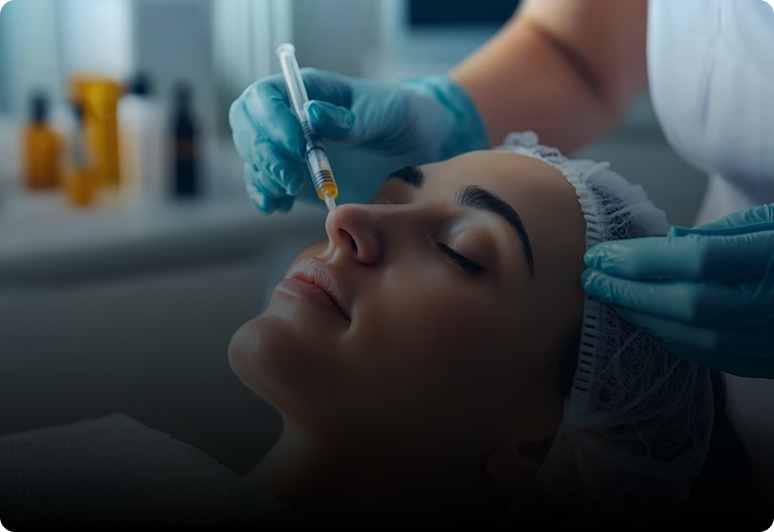
Microneedling involves using a precision device to create controlled punctures in the skin. These micro-injuries kick-start a healing response — which, in turn, stimulates collagen and elastin production. The result? Firmer, smoother and more even skin.
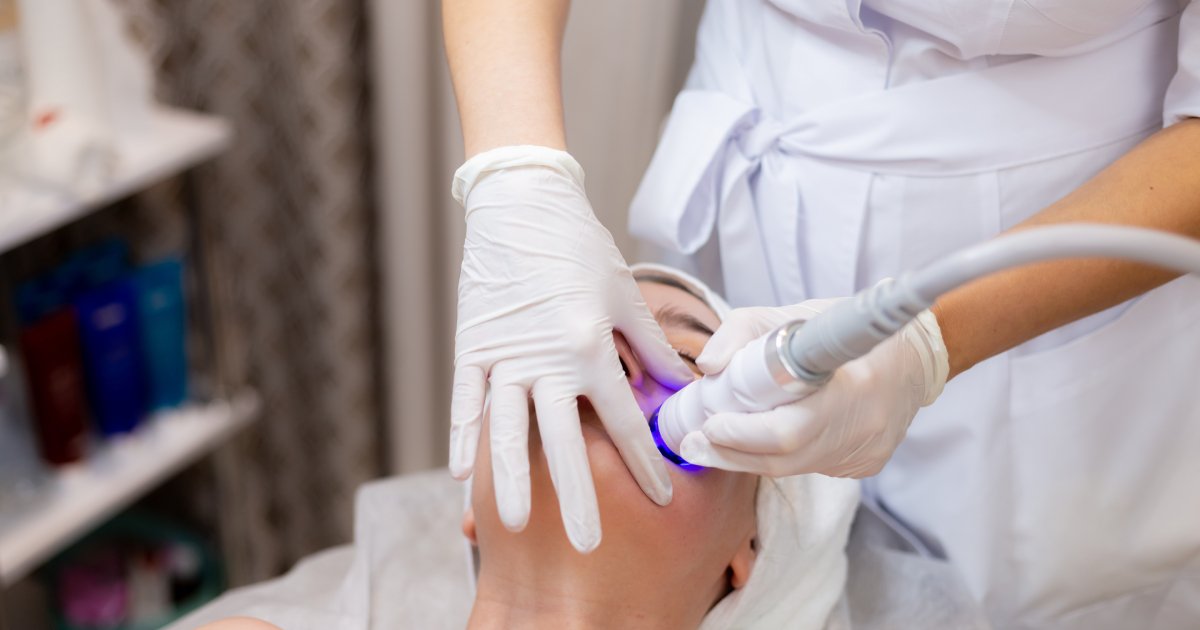
A full facial microneedling session typically takes around 30–60 minutes, with most people experiencing slight redness afterwards that fades within 48 hours.
What Is It Actually Good For?
Microneedling is not a one-trick treatment. Its strength lies in its ability to tackle a range of concerns at once, especially when they’re structural or textural.
- Fine lines and early wrinkles
- Uneven or rough texture
- Post-acne scarring
- Dullness
- Enlarged pores
- Loss of firmness on the lower face
- Early signs of ageing on the neck
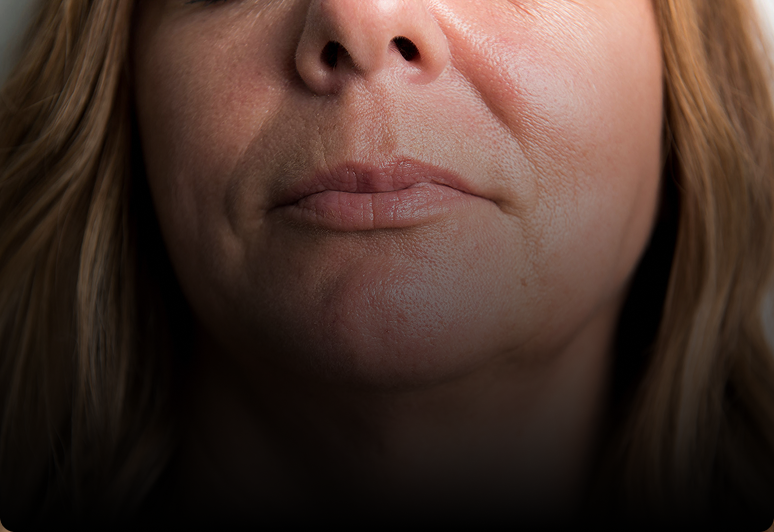
In particular, microneedling for acne scars is widely used for its ability to gradually reduce the appearance of indented scarring — especially when done as a course of treatments.
And if you’ve ever noticed that your neck doesn’t quite match the care you give your face, micro needling on neck is becoming a go-to for treating fine lines and crepey texture that don’t respond to skincare alone.
Microneedling vs Injectables
Let’s be clear — microneedling won’t do what filler or anti-wrinkle injections do.
Injectables work instantly (or within a few days) by either freezing movement (Botox) or restoring volume (dermal fillers). They treat specific areas like frown lines, lips or cheek hollows.
Microneedling doesn’t fill or freeze. Instead, it supports the structure of the skin — firming, smoothing and improving surface quality across larger areas.
If injectables are spot fixes, microneedling is more of a foundation-builder.
Use it when you want:
- Better skin texture
- Fewer visible pores
- Improved tone and strength
- Long-term collagen support
They can complement each other but they’re not interchangeable.